In the quiet moments before a storm hits, or when a utility pole unexpectedly snaps, a single thought often rushes to mind: "How will I keep the lights on?" For too long, the answer involved noisy, gas-guzzling behemoths banished to the yard. But the landscape of backup power has evolved, bringing forth solutions that are safer, smarter, and even suitable for indoor use. If you're looking for the Top-Rated Indoor Generators & Brand Comparisons, you're navigating a fascinating space where traditional power meets cutting-edge battery technology.
This isn't just about keeping the refrigerator cold; it's about maintaining a sense of normalcy, keeping critical medical devices running, or simply charging your phone when the grid goes dark. Deciding on the right backup power solution means understanding your needs, the technology available, and critically, the safety considerations.
At a Glance: Your Quick Guide to Backup Power
- "Indoor Generators" are typically Power Stations (battery banks): True fuel-based generators emit deadly carbon monoxide and must never be operated indoors.
- Wattage is King: Carefully calculate your power needs (running + starting watts) for critical appliances, then add a 20% buffer.
- Know Your Voltage: Standard outlets are 120V; heavy-duty appliances like well pumps or HVAC are 240V and require specific generator outlets.
- Fuel Matters: Gasoline, propane, natural gas, or battery — each has pros and cons for runtime, storage, and power output.
- Noise Levels Vary Wildly: Inverter generators and power stations are far quieter than traditional portables.
- Professional Installation is Key: For standby generators and connecting portables to your home's electrical panel via a transfer switch.
- Safety is Non-Negotiable: Carbon monoxide detectors are essential, and proper outdoor placement for fuel generators is vital.
Untangling "Indoor Generators": What Are We Actually Talking About?
Let's clear the air on a common misconception right away: a traditional "generator" that burns fuel (gasoline, propane, natural gas) should never be run indoors. The exhaust from these machines contains carbon monoxide (CO), a colorless, odorless, and deadly gas. Operating one inside your home, garage, or even too close to a window is a recipe for disaster. This is why when people refer to "indoor generators," they're almost always talking about a specific type of device: power stations, also known as battery banks.
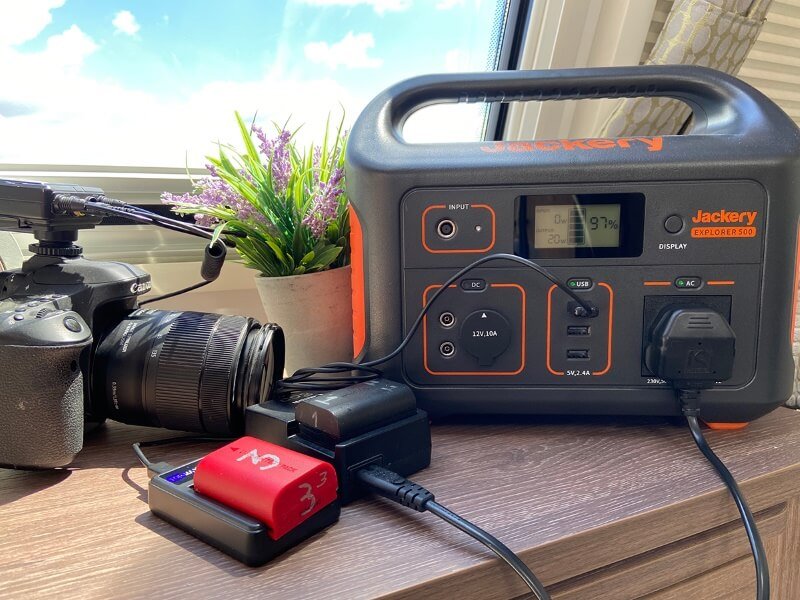
Think of a power station as a giant, sophisticated rechargeable battery. It stores pre-charged electricity, typically from a wall outlet or solar panels, and then delivers it silently and safely to your devices and appliances when needed. They don't generate electricity in real-time like a fuel-burning engine; they merely release what they've stored. This crucial distinction makes them the only truly safe "indoor generator" option.
Beyond the Buzzword: The True Powerhouses (And Why They're Outdoor Only)
While power stations handle indoor needs, it's worth understanding their louder, more powerful, outdoor cousins. These are the workhorses that truly generate electricity and form the backbone of serious backup power strategies for entire homes.
Home Standby: The Set-It-And-Forget-It Solution
Imagine your power flickers out, and within seconds, your lights come back on automatically. That's the magic of a home standby generator. These robust units, often comparable in size to a central air conditioning unit, sit permanently on a concrete pad outside your home. They're hardwired into your electrical system via an automatic transfer switch, which instantly detects an outage and switches your home's power source.
Standby generators run on natural gas (offering a virtually limitless fuel supply if your line isn't interrupted) or large propane tanks, which need less frequent refueling than portable options. Brands like Generac, Kohler, and Champion are leaders in this space, offering units from 5,000 watts for essential circuits up to over 15,000 watts for powering an entire average-sized home. These systems also perform self-diagnostics and alert you to maintenance needs, offering unparalleled convenience and peace of mind. While the upfront cost, including professional installation (which can range from $2,000 to over $20,000), is significant, many consider it a worthwhile investment for continuous, effortless backup power.
Portable Generators: Your Flexible, Fuel-Fired Friend
Portable generators are the more common and often more budget-friendly choice for many homeowners. They're designed to be moved, typically featuring wheels and handles, and offer immense versatility. Running primarily on gasoline, propane, or even natural gas (dual-fuel or tri-fuel models are popular), these units can power everything from a few essential appliances to several critical circuits in your home, especially when connected via a professionally installed manual transfer switch.
Wattage outputs for portable models span a wide range, from smaller 1,000-watt units perfect for camping to massive 20,000-watt behemoths capable of running most of a large home. Prices for whole-house capable portables generally start around $800. The trade-off for their flexibility and power is the noise, the need for manual starting and refueling, and the absolute necessity of safe outdoor operation, at least 5-20 feet away from any structure due to their deadly carbon monoxide exhaust.
Inverter Generators: Quiet Power for Sensitive Tech
A special subset of portable generators, inverter generators are a technological leap forward. Instead of simply generating raw AC power, they convert AC to DC, then back to AC using a sophisticated inverter process. This results in "cleaner" power with stable voltage and frequency, making them ideal for sensitive electronics like laptops, smartphones, and smart TVs, which can be damaged by the "dirty" power of traditional generators.
Beyond the clean power, inverter generators are significantly quieter than their conventional counterparts. While a standard portable might hum at 74-80 dB (think noisy vacuum cleaner), an inverter generator often purrs around 61 dB (closer to a normal conversation). This quiet operation, combined with their fuel efficiency, makes them a favorite for RVs, tailgating, and residential use where noise is a concern. Brands like DuroMax, Pulsar, Champion, and Harbor Freight's Predator line offer excellent inverter options. They tend to be more expensive due to the advanced inverter component but are often worth the investment for the added peace and protection.
Finding Your Power Sweet Spot: How Many Watts Do You Really Need?
This is arguably the most critical step in choosing any backup power solution, whether it's a battery bank or a fuel-based generator. Overestimate, and you spend too much; underestimate, and you're left in the dark when you need power most.
- List Your Essentials: Walk through your home and identify everything you'd need during an outage. This might include your refrigerator, freezer, a few lights, phone chargers, a well pump (if applicable), furnace fan, or maybe even an HVAC unit.
- Calculate Running Wattage: Find the running wattage (or "rated wattage") for each item. This is the steady power an appliance draws once it's already on. It's often listed on a sticker on the appliance or in its manual.
- Account for Starting Wattage: Many appliances, especially those with motors (refrigerators, pumps, air conditioners), require a brief surge of "starting wattage" (or "surge wattage") to kick on. This can be 2-3 times their running wattage. Your generator needs to handle the highest starting wattage of any single appliance you plan to start, while other essential items are already running.
- Total It Up: Add the running wattages of all appliances you want to run simultaneously. Then, identify the single appliance with the highest starting wattage and add that to your running total.
- Add a Buffer: Always add an extra 20% to your calculated total wattage. This buffer gives you wiggle room and prevents overloading your unit.
General Wattage Guidelines:
- 3,000-5,000 watts: Enough for a refrigerator, some lights, and a few small electronics. Great for basic survival.
- 6,000-8,000 watts: Covers heat (furnace fan), hot water (if electric or via a well pump), several appliances, and lighting.
- 10,000+ watts: Ideal for larger homes that want to run big appliances like laundry machines, dishwashers, and potentially central AC (though AC units require significant starting watts).
Example: - Refrigerator: 800 running watts, 2200 starting watts
- Lights (5 x 60W LED): 300 running watts
- Well Pump: 1000 running watts, 3000 starting watts
- TV: 200 running watts
If you want to run all simultaneously:
Total Running Watts: 800 + 300 + 1000 + 200 = 2300 watts
Highest Starting Wattage (Well Pump): 3000 watts
Generator Needed (Running + Highest Starting): 2300 + 3000 = 5300 watts
With 20% Buffer: 5300 * 1.20 = 6360 watts. You'd likely target a 6,500-7,000-watt generator.
Don't Forget Voltage Requirements
Most small appliances run on standard 120-volt household current. However, larger items like electric dryers, central air conditioning units, and well pumps often require 240-volt power. If you plan to power these, your generator must have at least a 30-amp/240-volt output, usually identifiable by a special twist-lock or large rectangular outlet, and you'll need a transfer switch.
Fueling Your Resilience: Weighing Your Options
The type of fuel your generator uses directly impacts its convenience, runtime, and even its power output.
- Gasoline: Widely available, but fuel degrades over time (requiring stabilizers) and stores poorly. Gas generators typically offer the highest power output for their size.
- Propane: Cleaner-burning than gasoline, stores for a very long time, and is safer to keep in tanks. However, propane generators generally produce slightly less power than gasoline equivalents, and you'll need to store bulky tanks.
- Natural Gas: The most convenient for standby generators, as it's piped directly to your home for continuous fuel. However, natural gas offers the lowest power output compared to propane and gasoline for the same engine size. It's not typically used for portable units unless they are tri-fuel.
- Dual-Fuel/Tri-Fuel: Many modern portable generators offer the flexibility to switch between gasoline and propane (dual-fuel) or even add natural gas (tri-fuel). This versatility is a major plus, allowing you to use whichever fuel is available or preferable at the moment.
- Battery (Power Stations): The only truly "indoor" option. Silent, zero emissions, and instant power. Their capacity is measured in watt-hours (Wh) or kilowatt-hours (kWh). Recharge time can be a limitation, especially with solar power if the grid is down.
Decibel Decisions: How Loud is Too Loud?
The roar of a generator can quickly turn a power outage into an added headache, especially if you live close to neighbors or want to enjoy some peace. Noise levels are measured in decibels (dB), and the difference between a few decibels can be significant.
- Inverter Generators & Power Stations: These are the quietest. Inverter generators typically operate around 60-65 dB (comparable to a normal conversation or a dishwasher). Power stations are virtually silent.
- Traditional Portable Generators: These are the loudest, often ranging from 74-80 dB (similar to a vacuum cleaner or a garbage disposal). For context, 70 dB is considered the threshold where prolonged exposure can be annoying. This noise level can be a real concern in residential areas, RV parks, or for those who simply value quiet.
If noise is a major factor, an inverter generator or a power station will significantly improve your experience during an outage.
The Heart of the System: Transfer Switches and Safety
For any fuel-based generator meant to power hardwired circuits in your home, a transfer switch is non-negotiable. This device physically isolates your home's electrical system from the utility grid before connecting to the generator, preventing dangerous "backfeeding" of electricity into the utility lines (which could injure utility workers) and protecting your generator from damage when grid power returns.
- Automatic Transfer Switches (ATS): Essential for home standby generators, an ATS detects an outage, signals the generator to start, and switches your home's power source automatically. When grid power returns, it switches back and shuts down the generator.
- Manual Transfer Switches (MTS): Used with portable generators, an MTS requires you to manually start the generator, flip a switch to disconnect from the grid, and then flip another switch to connect to generator power.
- Professional Installation: Both types of transfer switches must be installed by a licensed electrician. This is not a DIY project due to the complex wiring and significant safety risks involved. Plumbers and general contractors are also often involved in standby generator installations due to fuel line connections and concrete pads.
Brand Breakdown: Who's Leading the Charge in Backup Power?
When it comes to backup power, several brands have established themselves as industry leaders, each with its strengths.
For Home Standby Solutions: The Gold Standard
- Generac: A powerhouse in the standby generator market, Generac is known for its wide range of models, including its popular 22kW unit designed for 2,500 sq ft homes, complete with a 200-amp transfer switch, Wi-Fi connectivity for monitoring, and a 5-year warranty. They also offer smaller options like a 13,000-watt unit (11,500W on natural gas) suitable for smaller homes, often with a 100-amp automatic transfer switch and a 7-year warranty. Generac units perform automatic weekly power checks, ensuring they're always ready.
- Kohler: Another top-tier brand, Kohler is celebrated for its robust engines and reliable performance, often favored for their commercial-grade components and long-term durability.
- Champion: While also strong in portable generators, Champion offers reliable and often more affordable standby options that provide excellent value for homes needing automatic backup.
For Portable Power: Versatility and Performance
- DuroMax: A strong contender, especially with models like the DuroMax XP11000iH. This dual-fuel inverter generator boasts a hefty 9,000W running output, yet maintains quiet operation at 61 dB. Features like remote control, a battery tender, and a robust casing make it a favorite, despite its 200+ lb weight (though it comes with wheels for portability).
- Westinghouse: Known for reliability and feature-rich portable generators. The Westinghouse WGen9500DF is a prime example: dual-fuel with 9,500 running watts, 30/50-amp outputs for 120/240V circuits, electric push-button start, and a remote key fob. At 74 dB, it’s a powerful but louder option.
- Generac (Portables): Expanding beyond standby, Generac offers capable portable models like the Generac GP9500E, a tri-fuel option with 9,500W running capacity. These are often seen as more basic, focusing on core functionality and value.
- Champion: An excellent choice for budget-conscious buyers seeking reliable performance. Their 4,750-watt dual-fuel generator is a popular entry-level option (around $600) for powering 3-4 critical 120V circuits or a small RV, though it lacks 240V outlets.
- Pulsar: Gaining traction for offering good value, Pulsar models like the Pulsar 7,250-Watt Dual-Fuel Inverter Generator are easy to assemble and produce clean power (Total Harmonic Distortion <3%), making them safe for sensitive electronics.
- Harbor Freight Predator: For those seeking powerful inverter options at a competitive price, the Harbor Freight Predator 9,500 (Inverter) is a large inverter generator that offers quiet operation, portability with wheels, and includes various plug adapters, making it a strong choice for budget-minded inverter power.
The Unsung Heroes: Power Stations (Battery Banks) for True Indoor Use
This is where the term "indoor generator" truly applies. Power stations are rapidly becoming indispensable tools for silent, safe indoor backup power, ranging from small units for charging phones to whole-home battery systems. Learn more about indoor generators and how they're transforming residential backup solutions.
These advanced battery banks store electrical energy and deliver it via standard AC outlets, USB ports, and sometimes 12V DC car ports.
Charging Up: AC, Solar, and Recharge Times
Power stations can be recharged in several ways:
- AC Wall Outlet: The fastest method, plugging directly into a standard wall socket.
- Solar Panels: A fantastic option for off-grid power or during prolonged outages. However, recharge times can be lengthy, especially for larger units or on cloudy days.
- Car Charger: Slower, but convenient for charging on the go.
One significant advantage of many power stations is their ability to "charge while in use," meaning you can connect solar panels to recharge the unit while it simultaneously powers your devices. This effectively extends its runtime indefinitely, weather permitting.
What Can a Power Station Power?
The capabilities of power stations vary wildly by their capacity (measured in watt-hours or kilowatt-hours) and output wattage.
- Small Units (300-500Wh, 300-500W output): Great for charging phones, laptops, running a fan, or small medical devices.
- Medium Units (1000-2000Wh, 1000-2000W output): Can power a refrigerator for several hours, lights, TVs, and multiple smaller devices.
- Large/Whole-Home Systems (5,000Wh+, 3,000W+ output, often modular): These are serious contenders, capable of powering essential home circuits for extended periods, even matching the output of smaller portable generators (some can deliver 14,400+ watts). They typically integrate with your home's electrical panel via a special transfer switch or smart home energy system, much like a standby generator, but without the combustion engine.
They are completely silent, require no fuel beyond their initial charge, and produce no emissions, making them perfectly safe for indoor use.
Navigating the Fine Print: Installation, Maintenance, & Lifespan
Regardless of the type, owning a backup power source comes with responsibilities.
- Installation: We've covered the professional installation needs for standby generators and transfer switches. Even for a portable generator, understanding its connection points and how it integrates into your backup plan is crucial.
- Maintenance:
- Fuel-based generators: Require regular oil changes, spark plug checks, air filter cleaning, and fuel stabilization. Manufacturers recommend running them under load for 30 minutes or more periodically to keep components lubricated and ensure readiness.
- Power stations: Generally maintenance-free beyond keeping them charged and updated (if firmware is involved).
- Overloading: This is a common pitfall. Signs include dimming or flickering lights, appliances turning off, and the generator straining or changing its sound. If you notice these, immediately turn off non-essential items or the generator itself to prevent damage or fire.
- Continuous Operation: While fuel-based generators can run for extended periods (as long as they're fueled and not overloaded), manufacturers recommend giving them a rest (30 minutes or more) after every 24 hours of continuous use to prevent overheating and wear. Always turn off gas/propane generators before refueling to prevent fire hazards.
- Lifespan: Consumer-grade portable generators can last 1,000-3,000+ operational hours, potentially 10-30 years with average intermittent use and proper maintenance. Standby generators, designed for heavier use, often have longer lifespans with appropriate service.
- Legal Compliance: Always check your state, local, or HOA rules regarding generator placement, noise, and permits. Incorrect setup isn't just dangerous; it can lead to fines.
Safety First, Always: The Carbon Monoxide Threat
We cannot stress this enough: fuel-burning generators (portable, inverter, and standby) produce carbon monoxide (CO), which is a deadly gas. They must NEVER be run indoors or in enclosed spaces.
- Placement: Position fuel-based generators outdoors, at least 5-20 feet away from your home, garages, sheds, or any windows, doors, and vents. Ensure the exhaust is directed away from the house. If placing a standby generator permanently, choose a naturally covered spot to avoid snow buildup, but ensure ample airflow.
- CO Detectors: Install battery-operated carbon monoxide detectors with an alarm in your home, especially near sleeping areas, and test them regularly. This is a vital safety net for any home with fuel-burning appliances or nearby generators.
Making Your Decision: A Step-by-Step Approach
Choosing the right backup power doesn't have to be overwhelming.
- Prioritize Your Needs: What absolutely must stay on? Lights? Fridge? Medical equipment? This drives your wattage calculation.
- Indoor vs. Outdoor: Decide if you need truly indoor-safe power (power station) or if outdoor placement for a fuel-based generator is acceptable for your higher power needs.
- Calculate Your Watts: Use our guide above to get a clear number.
- Consider Fuel & Runtime: How long do you anticipate needing power? What fuel is readily available or easy to store?
- Budget for the Total Cost: Factor in not just the generator's price but also fuel, maintenance, and crucial professional installation for transfer switches or standby units.
- Evaluate Noise: If peace and quiet are important, lean towards inverter generators or power stations.
- Explore Brands & Features: Once you have your specs, compare brands based on reliability, warranty, and specific features (electric start, remote control, fuel type options).
Your Power Play: What To Do Next
You're now equipped with the knowledge to make an informed decision about your home's backup power. Whether you opt for the silent, emissions-free convenience of a robust power station, the versatile power of a portable inverter, or the set-it-and-forget-it reliability of a home standby generator, remember that preparedness is key. Start by calculating your exact wattage needs and researching local regulations. Talk to a licensed electrician about transfer switch installations. A little planning now can save you a lot of headache (and discomfort) when the lights inevitably go out.