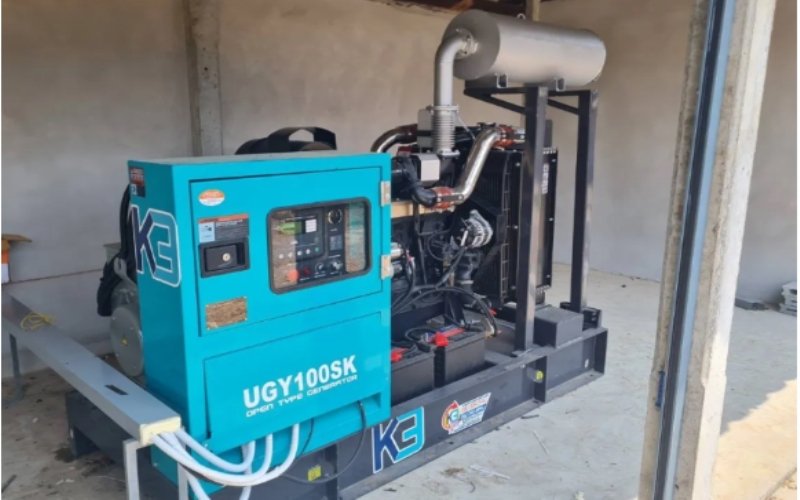
The hum of a fossil fuel generator, the fumes curling into the crisp night air, the sheer volume of 70-90 dB — these have long been the familiar sounds of backup power. But as our climate shifts and our grid sometimes falters, a new generation of solutions is emerging, offering a quieter, cleaner, and ultimately more reliable path. We're talking about Sustainable Indoor Power: Solar Generators & Eco-Friendly Alternatives that are transforming how we safeguard our homes against outages, all while shrinking our carbon footprint.
Imagine a world where your backup power system doesn't generate 123 pounds of CO2 daily or guzzle 0.75 gallons of fuel an hour. That world is here, and it’s no longer a niche pursuit. The market for sustainable power has surged by 35% annually since 2018, solar generator prices have dropped by an astonishing 42% in just five years, and today, nearly 70% of households are actively prioritizing eco-friendly backup power. It's not just about being green; it's about smart, reliable, and increasingly affordable energy independence.
At a Glance: Your Quick Guide to Green Power
- Solar Generators offer emission-free, convenient power, recharging from the sun or an outlet. They're excellent for devices and home backup.
- Battery Types vary: Lithium-ion (long-lasting), Deep-cycle lead-acid (budget-friendly), and Salt-water (eco-friendly).
- Sizing is Key: Understand Watts (power) vs. Watt-hours (duration) to match your needs.
- Beyond Solar: Explore residential wind, micro-hydro, biomass, and fuel cell technologies for diverse green power solutions.
- Storage Matters: Modern battery and flywheel systems offer robust, efficient energy storage.
- Investment & Maintenance: Initial costs vary significantly, but sustainable options often lead to zero or minimal operating expenses over the long term.
- Professional Installation is crucial for safety and optimal performance across all systems.
Why Rethink Your Power Backup? The Hidden Costs of Old Habits
For decades, the default response to a power outage was the noisy, fume-spewing generator. While effective, the environmental toll and operational headaches are significant. Beyond the carbon emissions contributing to climate change, these machines are loud, create ground contamination risks from fuel spills, and demand a constant supply of gasoline or diesel, which can be scarce during emergencies.
The good news? You have powerful, clean, and increasingly affordable alternatives that not only protect your home but also the planet. Let's explore these innovative solutions, starting with the increasingly popular solar generator.
Solar Generators: Your Personal Powerhouse in the Sun
At its core, a solar generator isn't really "generating" solar power itself. It's a sophisticated battery pack, or "power station," that efficiently stores energy. What makes it "solar" is its ability to recharge using solar panels, harnessing the sun's free energy, alongside conventional AC wall power or even your car's 12-volt outlet. This combination makes them incredibly versatile for everything from camping trips to powering essential home appliances during an outage.
Benefits that Shine:
- Emission-Free Operation: No harmful fumes, no carbon footprint during use.
- Whisper Quiet: Enjoy the sound of silence, even when your power is out.
- Convenient & Portable: Easily move them where needed, from indoors to outdoors.
- Self-Replenishing: The sun is a free, infinite fuel source.
Harnessing the Sun: Panel Options for Every Home
Connecting your solar generator to the sun involves solar panels, and you have several choices depending on your needs:
- Roof-Mounted Panels: These are fixed at optimal angles (often 30-45 degrees) for maximum sun exposure, ideal for permanent home backup systems. They’re discreet and efficient.
- Ground-Mounted Panels: Offering more flexibility, these can be adjusted throughout the day or season to track the sun, maximizing energy capture. Perfect for properties with ample yard space.
- Portable Panels: Foldable with built-in kickstands, these are the go-to for camping, RVs, or for quickly setting up temporary power during an emergency. They offer incredible versatility.
The Heart of the System: Energy Storage Batteries
The battery pack is where the magic happens, storing the energy captured by your panels or the grid. Modern residential units typically offer 2-10 kWh of storage with an impressive 94% round-trip efficiency, meaning very little energy is lost during charging and discharging.
Here are the main types you'll encounter:
- Lithium-ion Batteries: The gold standard, offering a 10+ year lifespan and over 5,000 charging cycles. They're compact, efficient, and deliver consistent power.
- Deep-cycle Lead-acid Batteries: A more budget-friendly option, these typically last 5-8 years. They are heavier and less efficient than lithium-ion but can be a good entry point.
- Salt-water Batteries: An emerging eco-friendly choice, these boast 15+ year durability and are made from abundant, non-toxic materials.
Decoding the Specs: Size, Capacity, & Real-World Use
Understanding solar generator specifications is crucial to matching them to your power needs.
- Watts (W): This tells you how much power a device draws at any given moment, or how much power the generator can output continuously. Think of it like the speed of a car.
- Watt-hours (Wh): This indicates the total amount of energy a generator can store or how much energy a device consumes over time. Think of it like the size of a car's fuel tank.
To estimate run time, use this simple formula:
Total Watt-hours (Generator) ÷ Watts (Device) = Approximate Hours of Run Time
For example, a 2,048 Wh power station could run a 750W heater for about 2.5 hours, or keep a standard refrigerator running for roughly 24 hours. Keep in mind that real-world capacity can often be slightly less than manufacturer specifications due to various factors like inverter efficiency and operating temperature.
Matching Your Panels: The Solar Input Sweet Spot
Solar panels are rated by their maximum wattage per hour, but their real-world output can be 50-75% lower due to factors like cloud cover, panel angle, and temperature. It's critical to ensure your total panel wattage matches the input range of your power station. Too little, and charging will be slow; too much, and you risk damaging the unit. Always check the manufacturer's recommendations.
Power on the Go: Portability Considerations
Solar generators come in a wide range of sizes. Compact units (250-600 Wh, under 15 lbs) are perfect for travel, charging small devices, and short excursions. Larger, heavy-duty models are designed for significant home backup and can be quite heavy, often requiring wheels or a hand truck for repositioning. Always consider where and how you intend to use your generator when evaluating its weight and dimensions.
Beyond the Sun: Exploring Other Green Home Power Options
While solar generators are a fantastic starting point for sustainable indoor power, the world of eco-friendly energy offers even more innovative solutions. Depending on your location and specific needs, one of these alternatives might be a perfect fit.
Riding the Wind: Residential Wind Turbines
If you live in an area with consistent breezes, residential wind turbines could be an excellent supplement or primary power source.
- How They Work: These smaller turbines are designed for homes or small businesses, typically generating 2-10 kW of power.
- Site Requirements: They require average wind speeds of 12+ mph to be truly effective. Standing 30-140 feet tall, their placement is crucial for optimal wind capture.
- Noise & Cost: Modern turbines are much quieter than their industrial counterparts, typically emitting 45-50 dB (similar to a refrigerator). Installation costs range from $3,000-$8,000, and you can often qualify for up to 30% in tax incentives or rebates.
- Hybrid Systems: Combining 2-3 kW wind turbines with a 4-6 kW solar system provides exceptional reliability. Wind power can often pick up when solar is low (e.g., at night or on cloudy days), potentially reducing overall battery storage needs by 25%.
Harnessing the Flow: Micro-Hydro Power Solutions
For those fortunate enough to have a consistent water source on their property, micro-hydro systems offer impressive, continuous power generation.
- Micro-Hydro Systems: These direct a small stream of water through a turbine to produce 5-100 kW of electricity. They require a minimum water flow of 2 gallons per minute and a vertical drop of at least 2 feet.
- Water Wheel Generators: Simpler and best suited for small applications, these produce 1-5 kW. They work best with slow-moving water sources and require 2-3 feet of depth. Overshot wheels are ideal for drops above 8 feet, while undershot wheels are better for faster flows with minimal elevation changes. Hydroelectric power is known for offering the highest power output per dollar invested in the long run.
Turning Waste into Watts: Biomass Energy Technologies
Biomass energy offers a fascinating way to convert organic waste into usable electricity, turning a problem into a solution.
- Biogas Generators: These systems use anaerobic digestion to break down organic waste like food scraps, animal manure, and agricultural residue. The process produces methane-rich biogas, which is then used to generate 2-5 kW of electricity daily. They typically require 100-200 square feet of installation space.
- Biomass Gasification Systems: These convert solid organic materials (like wood chips or agricultural waste) into a combustible gas. This gas can then be used to generate 3-7 kW of power. Installation requires a bit more space, usually 150-250 square feet.
The Future is Now: Fuel Cell Technology
Fuel cells are a cutting-edge, highly efficient way to generate electricity with minimal environmental impact.
- Hydrogen Fuel Cells: These marvels transform hydrogen gas directly into 5-10 kW of continuous electricity, with the only emission being water vapor—truly zero emissions. They boast an impressive 60% energy conversion efficiency.
- Methanol Fuel Cells: Using liquid methanol as a fuel, these cells generate 2-5 kW of power. While they have fewer emissions than traditional generators, they're not entirely emission-free. A significant advantage is their extended run time; some models can operate for up to 28 days on a single fuel cartridge.
Boosting Your Backup: General Energy Storage Solutions
Regardless of your primary green power source, having robust energy storage is crucial for consistent, on-demand power.
The Power Bank of Your Home: Advanced Battery Storage
Beyond the integrated batteries in solar generators, dedicated home battery storage systems are becoming increasingly common. Modern systems offer substantial capacity (10-15 kW), high efficiency (around 90%), and long lifespans (10-15 years or 6,000-8,000 charging cycles). They integrate seamlessly with solar panels, wind turbines, or grid power to store surplus energy for when you need it most.
Instant Energy on Demand: Flywheel Energy Storage
For specific applications requiring immediate, high-power bursts, flywheel energy storage is an intriguing option. These systems store kinetic energy in a rapidly spinning rotor, providing 2-5 kW of surge power within milliseconds. With 95% efficiency and a maintenance-free lifespan of over 20 years, flywheels are ideal for scenarios demanding frequent charge-discharge cycles or critical power stabilization.
Making the Right Choice: Cost, Efficiency, and Long-Term Value
Investing in sustainable indoor power is a commitment, and understanding the financial aspects is key to making an informed decision. While the upfront cost can seem significant, the long-term savings and environmental benefits often far outweigh the initial outlay.
Initial Investment: What You'll Pay Upfront
| System Type | Initial Cost Range | Installation Time | Notes |
|---|---|---|---|
| Solar Generator | $1,000-$3,000 | 1-2 days | Portable, scalable |
| Wind Turbine | $5,000-$15,000 | 3-5 days | Requires consistent wind, tax incentives |
| Fuel Cell | $6,000-$12,000 | 1 day | High efficiency, zero/low emissions |
| Micro-hydro | $10,000-$20,000 | 5-7 days | Highest power output per dollar over time |
| Keep in mind that these are initial costs for the core system. Factors like site-specific challenges, permitting, and additional wiring can influence the final bill. However, the rapidly decreasing cost of technology, coupled with various incentives, makes these options more accessible than ever. |
Running Costs: The Price of Sustainable Power
The beauty of most sustainable power solutions lies in their minimal to zero operating costs once installed.
| System Type | Annual Maintenance | Cost per kWh | Key Operating Expenses |
|---|---|---|---|
| Solar | $100-$200 | $0.00 | Free electricity for 25+ years after installation |
| Wind | $300-$500 | $0.01 | Minimal, primarily for routine checks and lubrication |
| Fuel Cell | $400-$600 | $0.15 | Plus $2,000-$3,000 for cell replacement every 5 years |
| Hydro | $50-$150 | $0.03 | Very low, mainly for debris clearance and flow optimization |
| Looking at the cost per kWh, solar and hydro stand out for their incredible long-term value, essentially providing free electricity for decades after the initial setup. Wind power also offers significant savings. Fuel cells, while efficient and clean, do have ongoing costs associated with fuel and eventual cell replacement. |
Setting Up for Success: Installation & Maintenance Essentials
Choosing a sustainable power system is only half the battle; ensuring it's installed correctly and maintained diligently is crucial for safety, efficiency, and longevity.
Don't DIY (Unless You're a Pro): The Case for Certified Installers
While some smaller portable solar generators are plug-and-play, integrating any substantial power system into your home's electrical grid or setting up outdoor generation requires professional expertise. Certified technicians are essential for:
- Site Assessments: Evaluating your roof's integrity for solar, analyzing wind patterns for turbines, or measuring water flow for hydro systems.
- Structural Calculations: Ensuring your home or property can safely support the equipment.
- Licensed Electrical Connections: Safely integrating the system with your home's wiring, preventing hazards, and ensuring compliance with local codes and regulations.
- Permitting: Navigating the often-complex local permitting process.
Attempting complex installations yourself can be dangerous and costly in the long run if done incorrectly.
Keeping Your Green Power Running Smoothly: Routine Maintenance Checklist
Sustainable systems, while generally low-maintenance, still require periodic checks to perform optimally.
- Solar Generators/Panels:
- Quarterly: Clean solar panels to remove dirt and debris, which can reduce efficiency.
- Yearly: Check all electrical connections for tightness and signs of wear.
- Bi-annually: Test the inverter to ensure it's functioning correctly.
- Wind Turbines:
- Bi-annually: Lubricate bearings and inspect blades for any damage or stress fractures.
- Annually: Check the tower for stability and corrosion.
- Hydroelectric Systems:
- Monthly: Clear debris from water intake and channels.
- Quarterly: Optimize water flow settings.
- Semi-annually: Inspect the turbine for wear and tear.
- Fuel Cells:
- Every 3 Months: Replace filters.
- Twice Yearly: Inspect catalysts.
- Annually: Conduct stack testing to ensure efficiency.
Adhering to these maintenance schedules will prolong the life of your system and ensure it's ready when you need it most.
Your Next Steps to Sustainable Indoor Power
Embracing sustainable indoor power is a smart move for your home, your wallet, and the planet. Whether you're opting for the versatility of a solar generator or exploring a more integrated solution, thoughtful planning will lead to the best results.
Smart Charging Habits for Your Solar Generator
To maximize the lifespan and readiness of your solar generator's battery, adopt these simple habits:
- Prioritize AC Charging: Charging from a wall outlet is generally the fastest method, followed by 12-volt car charging, then solar (unless you have a large, dedicated solar array).
- Charge Whenever Possible: Think of it like your smartphone; top it off when you can.
- Optimal Storage Charge: Store your generator with at least an 80% charge. This prevents long-term degradation.
- Unplug When Full: Avoid overcharging, which can stress the battery.
- Don't Drain Completely: Try to prevent the battery from dropping below 20% regularly.
- Match Panels to Input: Always ensure your solar panel wattage is appropriate for your power station's input range for efficient and safe charging.
Choosing Your Path: A Decision Framework
- Assess Your Needs: What do you need to power? For how long? This dictates wattage and watt-hour requirements.
- Evaluate Your Location: Do you have ample sun for solar, consistent wind for turbines, or a reliable water source for hydro?
- Consider Your Budget: Factor in both initial investment and long-term operating costs. Don't forget potential tax incentives!
- Think About Portability: Is this a stationary home backup, or do you need power on the go?
- Seek Expert Advice: Consult with certified professionals for site assessments and installation quotes.
Making the switch to sustainable indoor power is more accessible and beneficial than ever before. With the right information and a clear plan, you can enjoy peace of mind and contribute to a healthier environment, one watt at a time. For an even deeper dive into securing your home's power needs, our Complete indoor generator guide offers a wealth of additional insights and recommendations.