Title: Choosing the Best Indoor Generator for Safe Home Power
Imagine losing power during a storm, or needing reliable electricity for an outdoor adventure, all without the roar of a traditional generator or the worry of toxic fumes. Welcome to the world of indoor generators. These innovative devices are changing how we think about backup power, offering quiet, clean, and portable energy solutions for homes, RVs, and emergencies alike.
This guide serves as your comprehensive hub, designed to demystify indoor generators and help you navigate the options. We'll explore everything from essential features to top models, ensuring you make an informed decision for safe and reliable power whenever you need it most.
What Exactly is an Indoor Generator? Your Clean, Quiet Power Solution
Forget the bulky, noisy fuel generators of the past. Indoor generators, often known as portable power stations, solar generators, or even ultra power banks, represent a new era of personal power. They are self-contained battery units, designed to provide electricity without producing any emissions or requiring messy fuel, making them perfectly safe to operate inside your home. Whether you're facing a blackout, planning a camping trip, or need to power tools in a remote location, these units offer a versatile and eco-friendly alternative.
These devices free you from the limitations of traditional generators, which are noisy, emit harmful fumes, and require constant fuel monitoring. Instead, indoor generators run silently and cleanly, relying on powerful internal batteries that are easily recharged. To truly grasp the spectrum of options and how these devices fundamentally differ from their predecessors, dive into our Understanding indoor generators guide for a deep dive into their mechanics and various types.
Why Prioritize an Indoor Generator for Your Home?
The primary appeal of an indoor generator lies in its unparalleled safety and convenience. Unlike traditional fuel-based generators that demand outdoor operation and careful ventilation to prevent carbon monoxide poisoning, indoor generators are emissions-free. This means peace of mind, knowing you can keep your essential appliances running indoors without risking your family's health. They require no gas or oil changes, eliminating routine maintenance and ensuring they're always ready when an unexpected outage strikes.
Beyond safety, the sheer portability and versatility make them invaluable. From powering medical equipment during a power cut to running a mini-fridge during a backyard party, their applications are incredibly diverse. However, even with their inherent safety advantages, understanding proper usage is key to maximizing their benefits without incident. For comprehensive guidelines on safe placement, operation, and how to avoid common pitfalls, refer to our essential resource on Safe Indoor Generator Use Prevent Generator.
Essential Features to Consider for Reliable Home Power
Choosing the right indoor generator means balancing your power needs with practical considerations. Not all generators are created equal, and understanding their core features will ensure you invest in a unit that truly serves your purpose.
Power Output and Battery Capacity: Matching Power to Your Needs
The heart of any indoor generator lies in its power output and battery capacity. Power output is typically measured in watts (W) for continuous operation and peak (surge) power, indicating what appliances it can run. Capacities range significantly, from around 200 watts per hour for small devices up to 3,000 watts per hour or more for heavier loads. Battery capacity, measured in watt-hours (Wh), tells you how long it can sustain that power. A higher Wh means longer runtimes for your devices.
Battery Type: Durability, Safety, and Lifespan
The type of battery is crucial for safety, durability, and recharge cycles.
- Lithium-ion (Li-ion) batteries are generally considered the gold standard. They are lighter, safer for indoor use, and offer a longer lifespan with more charge cycles. Specifically, LiFePO4 (Lithium Iron Phosphate) batteries provide enhanced reliability and an even greater number of charge cycles, making them a premium choice for long-term use.
- Lead-acid batteries are cheaper and still available in some models, but they are heavier, have a shorter lifespan, and are less efficient. While deep cycle versions offer improved durability, lithium-ion is preferred for serious indoor power needs.
Outlets and Charging Versatility: Connectivity Matters
A good indoor generator offers a variety of output ports to match modern devices. Look for multiple AC outlets (standard wall plugs), USB-A ports (at least two fast-charging, 2A/10W+), and USB-C ports. DC ports (like 6mm for specific devices) and a car electrical outlet (12V) add to its versatility, allowing you to power everything from laptops and smartphones to camping lights and mini-fridges.
Recharging options are just as important. All units should charge via a standard AC wall outlet. The ability to charge from your car's electrical outlet or through compatible solar panels (often sold separately) significantly enhances its flexibility, especially during extended outages or off-grid adventures. Remember, relying solely on USB for charging a large battery is simply too slow to be practical.
Size, Weight, and Warranty: Practical Considerations
Higher capacity often comes with increased weight due to the robust components and larger batteries. You'll want to find a balance between sufficient power for your needs and a weight that allows for reasonable portability. A robust carrying handle is a must. Lastly, a warranty provides peace of mind; aim for at least a one-year warranty, though many reputable brands offer longer coverage. To delve deeper into these specifications and receive expert advice tailored to your specific demands, our comprehensive resource, Choosing the Best Indoor Generator, is an invaluable guide.
Powering Your World: Common Applications and Use Cases
Indoor generators are incredibly adaptable, capable of powering a wide array of devices and appliances depending on their capacity. Most models can effortlessly handle small electronics like laptops, smartphones, and tablets, keeping you connected during a blackout. More powerful units extend this capability to larger items such as TVs, fans, and even full-sized refrigerators, ensuring essential home comforts remain operational.
However, it's vital to match the generator's output to the appliance's wattage. High-wattage items like microwave ovens, hairdryers, or induction cookers require significant power and might only be supported by larger, more premium models, sometimes necessitating that other devices be unplugged. For specific examples and creative ways to integrate these power stations into various aspects of your life, from home emergencies to outdoor excursions, explore our guide on Applications & Use Cases for your indoor generator.
Top Contenders: Exploring Leading Indoor Generator Models
The market for indoor generators is robust, featuring innovative solutions from various manufacturers. Brands like Jackery, EcoFlow, Goal Zero, and Bluetti consistently lead the pack with reliable and feature-rich options.
- EF ECOFLOW DELTA: Often hailed as an Editor's Choice, the DELTA series offers incredibly fast charging (0-80% in just one hour), robust durability, and ample AC outlets, making it a powerhouse for home backup. While heavier, its performance often outweighs this drawback.
- Jackery Explorer 1000: A fantastic "Best Value" option, the Explorer 1000 provides a great balance of capacity (1002Wh), portability (22 lbs), and essential outlets, making it ideal for RV life and emergencies. Keep in mind it might not power high-wattage kitchen appliances. Its smaller sibling, the Jackery Explorer 500, offers a budget-friendly, lightweight alternative.
- Goal Zero Yeti 3000X: For those seeking a "Premium Pick," the Yeti 3000X boasts a massive 2982Wh LG lithium-ion battery, high constant power, and even includes a transport cart to manage its 70 lbs weight. It’s an investment, but one that promises serious, long-lasting power.
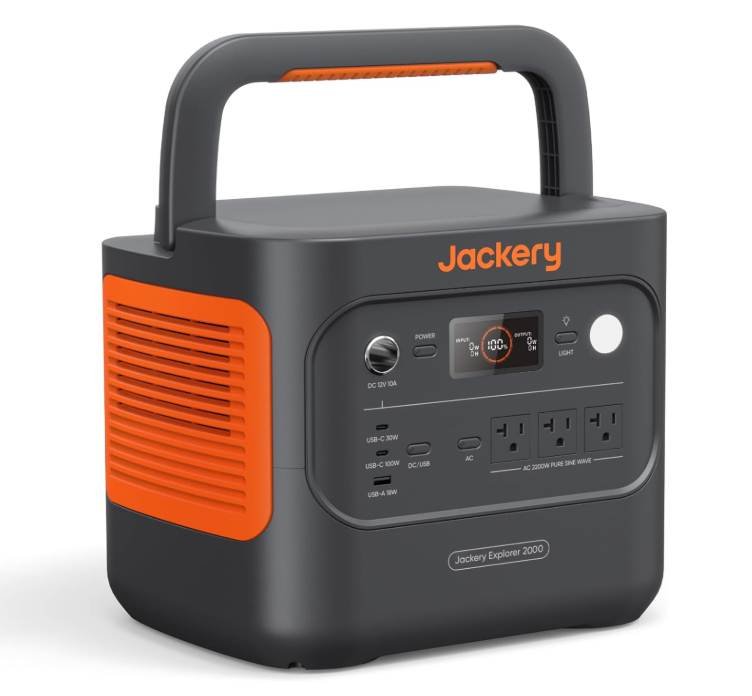
- Newer Innovations: Models like the Jackery Explorer 2000 v2 impress with a high-capacity LiFePO₄ battery, built-in UPS functionality, and rapid AC charging, all in a lighter, more compact design. Other strong contenders include the Bluetti AC200PL with its LiFePO4 cells and wireless charging, or the compact Anker SOLIX C800 and budget-friendly FlashFish E200 for lighter needs.
Each brand and model brings unique strengths, from specific battery chemistries to smart app integration and unique charging technologies. To compare these leading brands side-by-side, analyze their specific features, and read in-depth reviews that will help you pinpoint the perfect model for your needs, our dedicated comparison article, Top-Rated Indoor Generators & Brand, is your next essential stop.
Your Path to Uninterrupted Power
Choosing an indoor generator is about more than just buying a device; it’s about investing in peace of mind, preparedness, and convenience. As you’ve seen, these quiet, clean power stations offer a robust alternative to traditional generators, opening up new possibilities for home backup, outdoor adventures, and emergency readiness. By understanding the core features, prioritizing safety, and exploring the diverse range of models available, you're well on your way to securing reliable power for any situation. Start your journey today and empower your home with the perfect indoor generator.