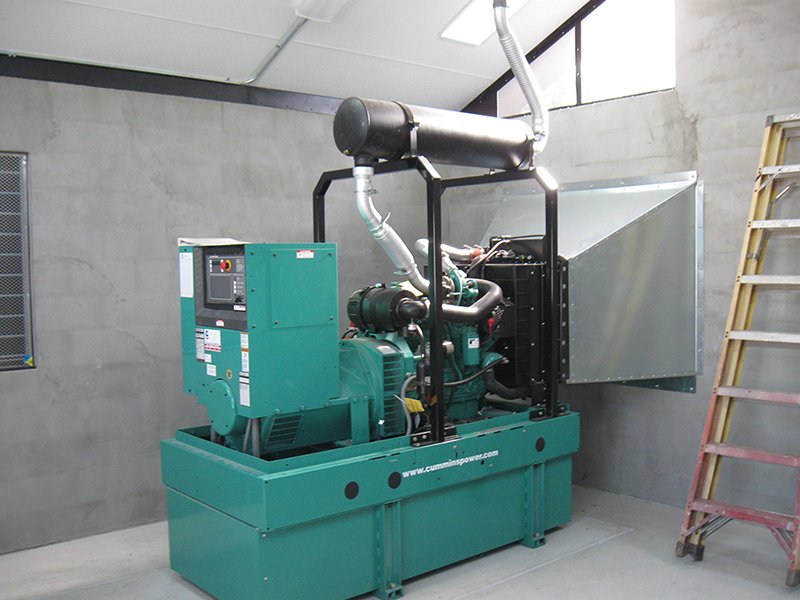
In a world increasingly reliant on always-on power, the conversation around backup solutions has moved beyond noisy, fume-spewing gas generators. Welcome to the era of indoor generators—quiet, clean powerhouses that offer far more than just emergency lights during a blackout. Understanding the diverse applications & use cases for indoor generators reveals why these devices are rapidly becoming a household staple, transforming how we approach everything from home safety to weekend adventures.
They're not just for doomsday preppers or remote cabins anymore. From keeping critical medical devices running in a city apartment to powering your remote office during a grid hiccup, indoor generators are redefining personal energy independence. Think of them as robust, oversized power banks designed to keep your essential life humming, all without the environmental guilt or the fire hazard of traditional fuel-based alternatives.
At a Glance: Why Indoor Generators Are a Game-Changer
- Clean & Quiet Power: Fume-free and whisper-quiet operation makes them safe and comfortable for indoor use.
- Versatile Charging: Recharge via solar, wall outlets, or car chargers, offering flexibility.
- Essential Backup: Ideal for medical devices, food preservation, and communication during outages.
- Beyond Emergencies: Perfect for remote work, outdoor activities, and sustainable living.
- Tailored Solutions: Options available for basic needs (300-500Wh) to whole-home backup (3000Wh+).
- Safety First: Equipped with Battery Management Systems (BMS) and Pure Sine Wave inverters for sensitive electronics.
Beyond the Emergency Light: What Are Indoor Generators Anyway?
Forget the rumbling, exhaust-fuming machines you might associate with "generators." Indoor generators are a different breed entirely. These advanced devices operate on sophisticated battery technology, providing a clean, quiet, and fume-free alternative for home power backup. They're specifically designed for environments where traditional generators are a non-starter—think apartments, urban dwellings, or homes with limited outdoor space.
You can recharge them conveniently via solar panels, standard wall outlets, or even your car's charger, making them incredibly versatile. Their low-impact nature means you get reliable power without the noise, pollution, or safety risks of combustion engines. But their utility extends far beyond merely keeping a few lights on. They offer peace of mind for critical medical devices, preserve perishable goods, and maintain vital communication links when the grid goes dark.
The Powerhouse Within: Core Applications and Use Cases
The true beauty of an indoor generator lies in its adaptability. It's a single investment that pays dividends across multiple facets of your life, from the mundane to the adventurous.
A. Emergency Preparedness & Blackout Resilience
When the lights go out, an indoor generator becomes an indispensable lifeline. Its ability to instantly provide clean power means you're never truly disconnected or vulnerable.
Keeping Medical Devices Running
For those relying on essential medical equipment, a power outage isn't just an inconvenience—it's a critical threat. Indoor generators excel here, offering seamless, uninterrupted power for devices like CPAP machines, oxygen concentrators, and nebulizers. Many come with enhanced safety features and stable power delivery, often referred to as "medical-grade" capabilities, specifically for this purpose. This is particularly crucial in apartments or urban areas where noisy, outdoor generators aren't feasible. If you're looking for focused solutions, especially for continuous positive airway pressure, a dedicated CPAP backup battery guide can offer more in-depth advice.
Protecting Perishable Goods
A refrigerator or freezer full of food can spoil rapidly without power, leading to significant waste and expense. A mid- to high-capacity indoor generator (around 1,000–2,000Wh) can power a standard refrigerator for over 24 hours, keeping your food fresh and your wallet intact during extended outages. It’s an often-overlooked but incredibly valuable application.
Staying Connected & Informed
In today's digital age, communication is paramount. During a blackout, your indoor generator ensures your Wi-Fi router stays active, your phones remain charged, and your laptop can access vital information. This not only allows you to contact loved ones but also to stay updated on emergency alerts and local news.
Essential Lighting & Comfort
Beyond the critical, indoor generators also maintain a baseline level of comfort. Powering a few LED lights can transform a dark, disorienting home into a safe and navigable space. Smaller fans can offer relief in warm weather, and even a small electric blanket can provide warmth when the heating system is down. For those living in smaller spaces, understanding emergency power solutions for apartments is key to maximizing safety and comfort.
B. Boosting Productivity: Remote Work & Home Offices
The rise of remote work has made reliable power more important than ever. An indoor generator transforms grid vulnerability into personal productivity resilience.
Uninterrupted Workflow
Imagine being mid-project and the power flickers. With an indoor generator, your laptop, monitors, and Wi-Fi router stay operational. This means no lost work, no missed deadlines, and no frantic scramble to find a coffee shop with power. It's an invisible safety net that ensures your home office functions flawlessly, regardless of external grid stability.
Powering Creative Hubs
For designers, artists, musicians, or content creators who rely on high-powered workstations, specialized monitors, or sensitive audio equipment, a sudden power loss can be disastrous. Indoor generators with Pure Sine Wave inverters provide clean, stable energy, protecting your valuable electronics and ensuring your creative flow remains uninterrupted.
Mobile Office on the Go
Some compact indoor generators are portable enough to serve as a mobile power hub. Heading to a remote cabin for a "workcation"? Or setting up a temporary workspace outdoors? These generators allow you to bring your essential office tools with you, ensuring you can remain productive wherever your work takes you.
C. Unleashing Adventure: Outdoor & Recreational Activities
The portability and clean power of indoor generators make them perfect companions for escaping the confines of home, opening up a world of recreational possibilities.
Camping & Glamping
Forget noisy, smoky fuel generators at the campsite. An indoor generator can power everything from your portable fridge, electric grill, and air mattress pump to string lights and projectors for an outdoor movie night. For those who enjoy a bit of luxury in nature, "glamping" becomes truly glamorous. To discover the best options for your outdoor excursions, you might want to check out the best portable power stations for camping.
Road Trips & Van Life
For adventurers living the #vanlife or embarking on extended road trips, an indoor generator is a game-changer. It can keep your mini-fridge cold, charge cameras and drones, run a slow cooker, or even power a small induction cooktop. Recharging via your car's DC outlet while driving or solar panels when parked means continuous, self-sufficient power on the move.
Backyard Entertaining & DIY Projects
Hosting an outdoor party? An indoor generator can power speakers, mood lighting, blenders for refreshments, or even a projector for an evening movie. For DIY enthusiasts, it means using power tools like drills or saws in areas of your yard far from an outlet, tackling projects without the tangle of extension cords or the limitation of battery life.
D. Sustainable Living & Energy Independence
Indoor generators, especially those with solar charging capabilities, are a natural fit for an eco-conscious lifestyle, reducing reliance on fossil fuels and promoting energy independence.
Harnessing Solar Power
Many indoor generators are designed to be integrated with solar panels. This means you can actively generate and store your own clean energy, significantly reducing your carbon footprint. It’s a powerful step towards energy self-sufficiency, allowing you to use the sun's energy to power your home essentials. For a deeper dive into this, exploring solar generators for off-grid living can be very insightful.
Offsetting Peak Demand
In areas with time-of-use electricity rates, you can charge your indoor generator during off-peak hours (when electricity is cheaper, or from solar) and then use its stored power during expensive peak hours. This clever strategy can lower your electricity bills and lessen the strain on the grid during high-demand periods.
Eco-Friendly Backup
Compared to traditional gas generators, indoor models produce zero emissions and minimal noise. This makes them a truly eco-friendly backup solution, aligning with values of sustainability and responsible energy consumption. You get peace of mind without compromising your commitment to the environment.
Choosing Your Indoor Power Partner: Key Considerations
With so many applications, it’s clear that one size doesn't fit all. Selecting the right indoor generator means carefully evaluating your specific needs against key features. This is where your inner detective comes out.
1. Power Capacity: Sizing Up Your Needs
This is arguably the most critical factor. Power capacity, measured in watt-hours (Wh), dictates how long your generator can run appliances. Think about what you absolutely need to power and for how long.
- Basic Essentials (300–500Wh): Perfect for charging phones, tablets, laptops, a Wi-Fi router, and a few LED lights for several hours. Ideal for apartment dwellers focused on communication.
- Overnight Refrigerator (1,000–2,000Wh): Can power a standard refrigerator for over 24 hours while also charging essential devices. Great for small families or those with significant perishable goods.
- Multiple Appliances (2,000–3,000Wh): Handles a refrigerator, lights, a laptop, and a medical device like a CPAP machine for an extended period. A solid choice for medium-sized homes.
- Whole-Home Backup (3,000Wh+): For more extensive coverage or longer outages, these units can handle multiple critical appliances simultaneously. For comprehensive home coverage, higher-capacity battery generators (5,000+ watts) are recommended, especially if you plan to keep most of your home running for days. Expandable battery capabilities are a smart move for potential longer outages, allowing you to add more battery packs as needed.
2. Output Options: Plug-and-Play Versatility
A generator is only useful if it can connect to your devices. Look for a variety of output ports:
- AC Outlets: Standard wall plugs for most home appliances. Ensure it has enough for your needs.
- USB-A and USB-C Ports: Essential for directly charging phones, tablets, and modern laptops.
- DC Outputs: For car-powered devices or specific external accessories.
- Solar Input Compatibility: Crucial if you plan to harness solar energy for recharging.
3. Charging Efficiency: Getting Back to Full Fast
How quickly can your generator be ready for its next challenge? This is especially important in areas prone to frequent or consecutive outages.
- Fast AC Charging: Look for units that can recharge fully from a wall outlet within a few hours (e.g., 1-2 hours for smaller units, 3-5 hours for larger ones).
- Solar Charging: Check the maximum solar input (watts) to ensure it can recharge efficiently when connected to panels.
- Dual Charging: Some models allow simultaneous charging from AC and solar, significantly speeding up the process.
4. Safety First: The Core of Indoor Use
Since these devices rely on powerful lithium battery technology, safety features are paramount for indoor operation.
- Battery Management System (BMS): A robust BMS is non-negotiable. It protects against overcharging, over-discharging, overheating, and short circuits, extending battery life and preventing hazards.
- Pure Sine Wave Inverter: This ensures clean, stable energy output, identical to grid power. It's crucial for sensitive electronics like laptops, medical devices, and high-end audio equipment, preventing damage and ensuring optimal performance.
- Fireproof Casing & Cooling Systems: Advanced casing materials and efficient cooling fans reduce overheating risks, ensuring safe operation even under heavy loads.
5. Space & Portability: Finding the Right Fit
Indoor generators come in various sizes and weights. Consider where you'll store it and how often you plan to move it.
- Size: Slim, stackable designs are beneficial for tight areas like closets or under desks.
- Weight: Smaller units might be easily carried, while larger whole-home solutions will likely have wheels.
Ultimately, choosing the right unit comes down to a clear understanding of your specific needs. For a more exhaustive exploration of your options, consider Your guide to indoor generators, which delves into every facet of these essential devices.
Setting Up for Success: Your Indoor Generator Playbook
Getting your indoor generator ready for action is straightforward, but a few simple steps ensure optimal performance and safety.
Location, Location, Location
Even though they're fume-free, proper placement is still key. Place your generator in a well-ventilated area, ensuring there's enough airflow around the unit to prevent any potential heat buildup. Keep it away from direct heat sources (like radiators or furnaces), flammable items, and out of direct sunlight if it's not being actively solar charged.
Charge It Up!
The golden rule of emergency preparedness: always keep your generator fully charged. Treat it like a fire extinguisher—you hope you don't need it, but it better be ready if you do. If your unit is solar-compatible, ensure it's placed to maximize sunlight exposure during charging to keep its battery topped off. Regular charging also helps maintain battery health over its lifespan.
Know Your Limits
Every indoor generator has a specified power capacity and output limit. Before connecting appliances, take a moment to check their wattage requirements. Avoid connecting devices that exceed the generator's allowed value, as this can trigger safety shutdowns or, worse, damage the unit or your appliances. Think about what you realistically need to run, and prioritize accordingly.
Understanding the Investment: Types & Costs
Indoor generators come in a few main flavors, each suited to different needs and budgets.
- Battery-Powered Models: These are the most common type of indoor generator, essentially large, robust power stations. They are smaller, quieter, and produce no pollution, making them ideal for apartments, home offices, and recreational use.
- Hybrid/Solar Generators: These integrate battery storage with the ability to connect to solar panels or the grid. They handle higher demands and are suitable for medium to large homes or even small enterprises looking for more sustainable power.
- Medical-Grade Generators: While not a separate type of generator, some models offer enhanced safety features, higher purity sine wave output, and seamless power transfer specifically for critical medical equipment like CPAP machines or oxygen concentrators.
Costs for these portable indoor generators start from around $500 for smaller, basic units. Higher-capacity units, with more features and greater output, can easily exceed $2,000. For comprehensive home coverage, especially units designed to power multiple critical appliances for extended periods, prices can climb higher.
When considering the longevity, a high-quality indoor generator typically lasts 3-5 years with consistent use and proper maintenance. This often means regular charging cycles and safe storage, similar to how you’d care for any other high-tech battery-powered device. Understanding how to choose a battery backup for your home can provide a framework for evaluating these long-term investments.
Common Questions About Indoor Generators
Let's clear up some common queries about these versatile power solutions.
Are indoor generators truly safe to use inside?
Yes, absolutely. Unlike gasoline or propane generators that produce toxic carbon monoxide fumes, indoor generators are battery-powered. They emit no fumes and operate with minimal noise, making them perfectly safe for indoor use. Modern units also incorporate robust safety features like Battery Management Systems (BMS) to prevent common electrical issues.
How long can an indoor generator power my home?
It depends entirely on the generator's capacity (watt-hours) and the power draw of your appliances. A 2,000Wh generator can power a standard refrigerator for over 24 hours. If you're only running a few lights and charging phones, a smaller unit could last days. For whole-home backup powering multiple appliances, you'd need a 3,000Wh+ unit, potentially with expandable battery packs, to last for extended outages.
Can I expand my indoor generator's power capacity later?
Many high-capacity indoor generators offer modular designs that allow you to add extra battery packs. This is an excellent feature if your needs grow or if you anticipate needing power for longer durations in the future. Always check for this "expandable" or "modular" battery capability when purchasing.
What's the difference between a portable power station and an indoor generator?
Often, these terms are used interchangeably. "Portable power station" is a broader term for a battery-powered device that provides AC and DC power, typically smaller in capacity. "Indoor generator" specifically highlights the use case and safety for indoor environments, often implying a higher capacity and more robust feature set suitable for home backup compared to a small camping power bank.
Your Next Step Towards Uninterrupted Power
The applications and use cases for indoor generators are extensive, spanning from critical emergency backup to enhancing your recreational pursuits and even contributing to a more sustainable lifestyle. These devices offer a blend of convenience, safety, and versatility that traditional generators simply can't match for many households.
Now that you understand their immense potential, the next step is to evaluate your own needs. Consider what devices you'd prioritize during an outage, how long you'd want them powered, and what other non-emergency scenarios an indoor generator could enhance in your life. With this knowledge, you'll be well-equipped to select an indoor power partner that brings true peace of mind and expands your possibilities, ensuring you're never left in the dark—literally or figuratively.